
The Stone Sculptures Return Home, Bringing China and Australia Closer Together
— Remarks by H.E. Ambassador Liu Jinsong at the Handover Ceremony for the Repatriation of Stone Sculptures from the Northern Song Dynasty Imperial Tombs
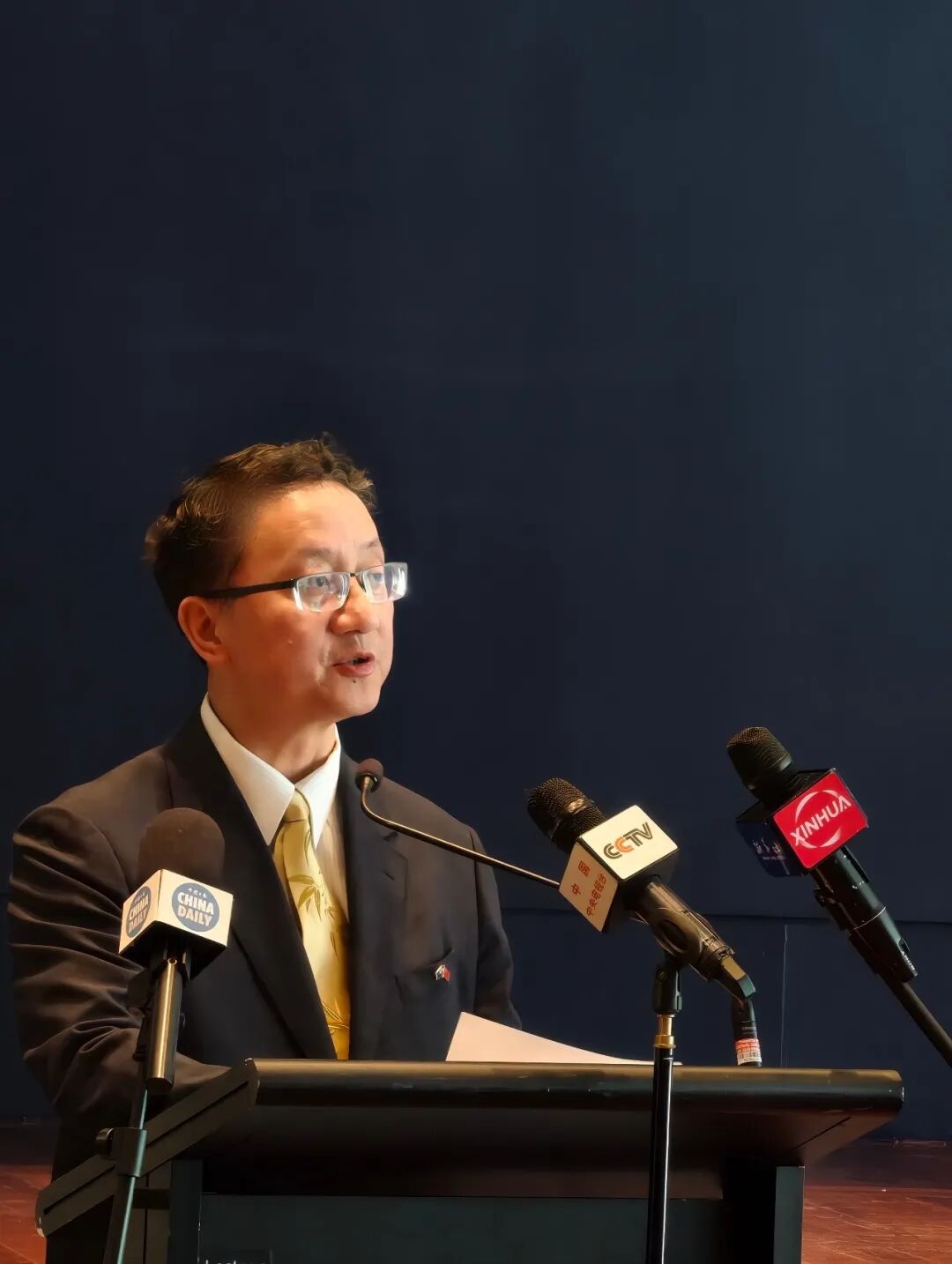
[On 28 October 2026, Ambassador Liu Jinsong attended the handover ceremony for the repatriation of stone sculptures from the Northern Song Dynasty imperial tombs, held at the National Gallery of Australia in Canberra. His remarks are as follows:]
Distinguished Guests,
Ladies and Gentlemen,
Dear Friends,
Good afternoon!
The two stone statues before us today came from the imperial tombs of China's Northern Song Dynasty, over a thousand years ago. They once stood quietly guarding the ancient tombs. They have seen the passage of time and traveled across the oceans. Along the way, they formed a special connection with Australia. And today, they are coming home.
Stones cannot speak, but they tell stories.
I heard a touching story about Ms Janet Smith, a volunteer guide at the National Gallery of Australia. During a visit to Beijing, she attended a lecture on ancient Chinese stone carvings and bought a book on the subject. Later, while preparing for a guided tour at the Gallery, she noticed a striking resemblance between two stone figures in the book and two stone heads in the Gallery's collection.
Her careful observation and her love for Chinese culture provided an important clue that helped bring these treasures home.
I believe these two statues found their way home not only because of the evidence left by history, but also because of the respect for history shared by ordinary people today.
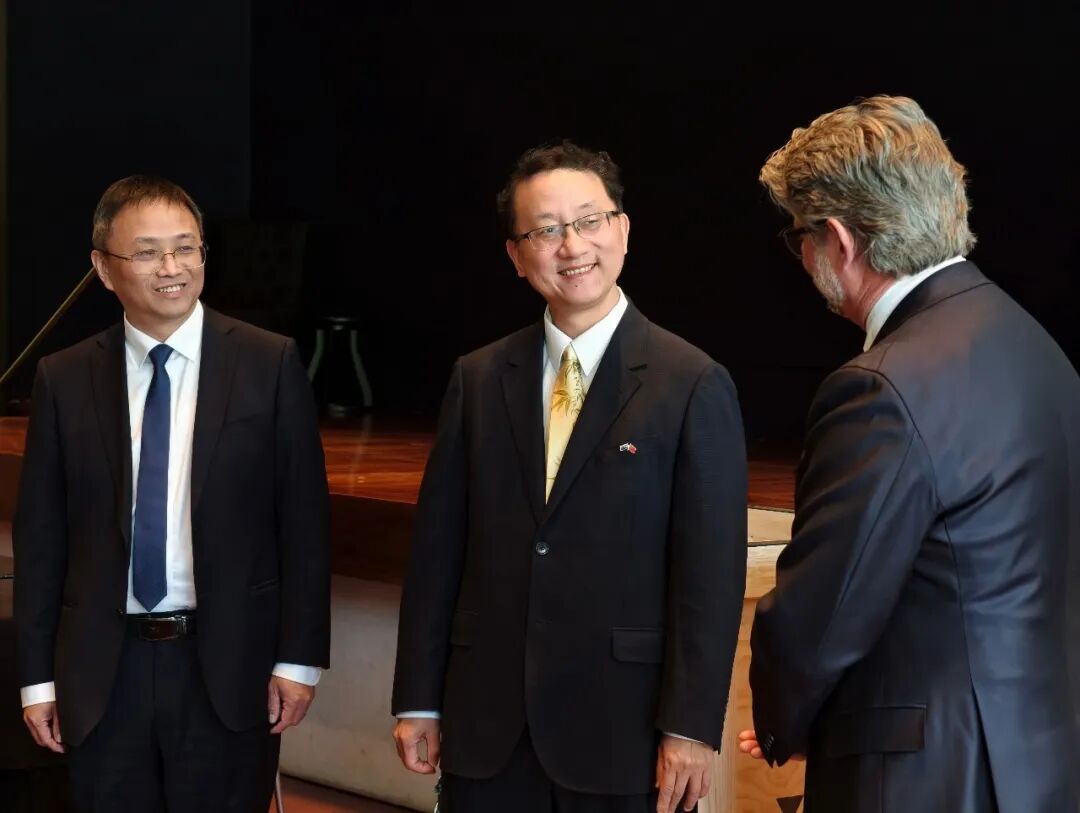
I wish to express my heartfelt appreciation to the National Gallery of Australia, to Ms Janet Smith, and to all the Australian institutions and individuals who have contributed to this return. I also thank the museum and heritage professionals from both countries for their hard work. It is their dedication, mutual trust and friendly cooperation that have made this memorable moment possible.
Chinese President Xi Jinping once said, "Protecting cultural heritage benefits our generation and generations to come."
Cultural treasures come from the past. The duty to protect them belongs to us today. And the value of passing them on lies in the future.
The return of these two statues is not the end of their story. It is a new beginning for research, conservation and cultural heritage. We hope they will be well cared for, and that more people will have the opportunity to learn about Chinese history and appreciate the beauty of Chinese civilization.
China and Australia have a long history of cooperation in cultural heritage protection. In 2009, our two countries signed a Memorandum of Understanding on the Protection of Cultural Heritage.
Over the years, through our joint efforts, more than ten Chinese cultural objects have been returned to China in six separate groups, along with over ten thousand fossils.
Cultural heritage protection offers great potential for further cooperation. This return shows that, with mutual respect, an understanding of our differences and a spirit of cooperation, we can turn shared hopes into real achievements.
We hope this occasion will open the door to closer exchanges between our museums, archaeologists and heritage professionals. May our shared respect for history and culture bring our peoples closer together and add greater warmth to the China-Australia Comprehensive Strategic Partnership.
Dear Friends,
A thousand years ago, skilled craftsmen gave these stones their shape. A thousand years later, through their cooperation, Chinese and Australian heritage professionals have given them a new story.
Today, the two statues begin their journey home, but the bonds of friendship they have created will remain here in Australia.
May these ancient treasures, which have witnessed a thousand years of history, now bear witness to another wonderful chapter of friendship between China and Australia.
Thank you!
* * * * * * * * *
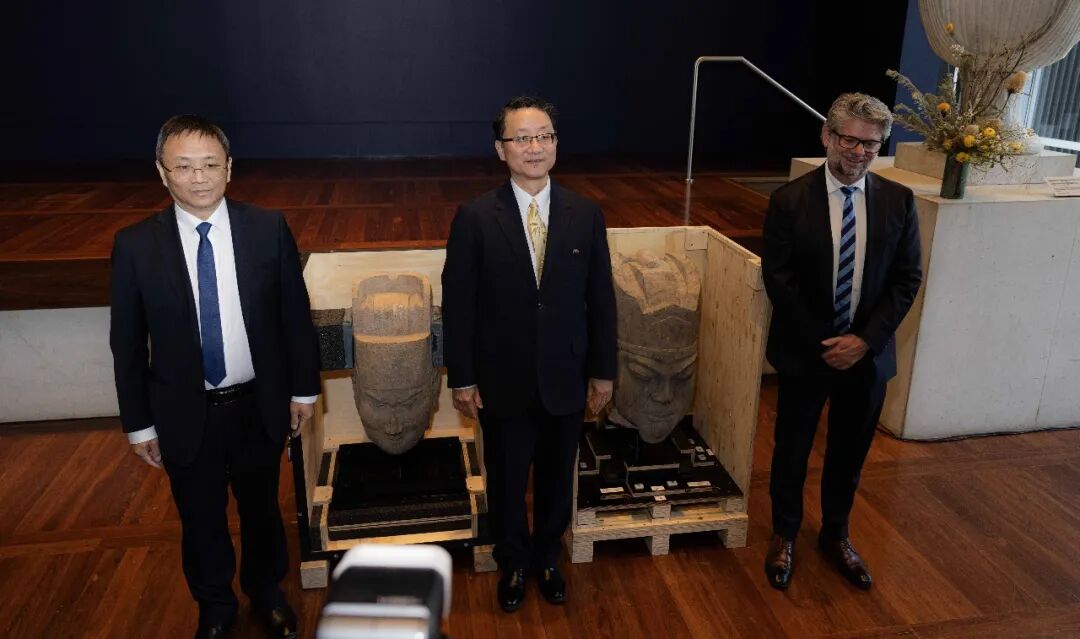
The two cultural relics being handed over are the head of a civil official statue from the Yongchang Mausoleum and the head of a military official statue from the Yongyu Mausoleum, both dating back to the Northern Song Dynasty (960–1127). Both are of significant historical, artistic and cultural value.
Since 2025, relevant authorities and institutions of China and Australia have worked closely together in a spirit of mutual respect and friendly consultation, in accordance with their respective domestic laws and relevant international conventions. Through close cooperation on provenance research, legal assessment and repatriation arrangements, the two sides have successfully facilitated the return of these two precious cultural relics to China.